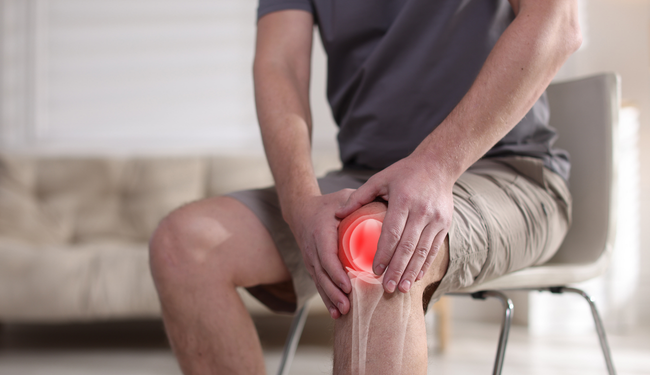
Understanding Knee Pain
Knee pain is one of the most frequently treated conditions at physiotherapy clinics across Cambridge, Ontario. The knee is a complex weight-bearing joint that endures significant stress during everyday activities such as walking, climbing stairs, squatting, and exercising. Knee pain can stem from a variety of causes, including ligament injuries, meniscus tears, osteoarthritis, patellar tendinitis, and IT band syndrome. It affects people across all age groups from young athletes to older adults experiencing joint degeneration. Ignoring knee pain can lead to long-term damage, altered movement patterns, and reduced quality of life. At our Cambridge physiotherapy clinic, we identify the root cause of your knee pain and design a targeted recovery plan to reduce discomfort, rebuild strength, and restore your ability to move with confidence.
Frequently Asked Questions About Knee Pain
Q1: What are the most common causes of knee pain?
Ans) Knee pain is commonly caused by ligament sprains, meniscus tears, osteoarthritis, patellar tendinitis, bursitis, and IT band syndrome. Overuse injuries from running or sports, excess body weight, and muscle imbalances around the hip and knee are also significant contributing factors.
Q2: When should I see a physiotherapist for knee pain?
Ans) You should seek physiotherapy if your knee pain persists for more than a few days, is accompanied by swelling or stiffness, limits your ability to walk or bear weight, or occurred following a fall or sports injury. Early assessment leads to faster and more effective recovery.
Q3: How does physiotherapy help with knee pain?
Ans) Physiotherapy for knee pain involves manual therapy, strengthening exercises for the surrounding muscles, gait retraining, taping techniques, and activity modification. Your Cambridge physiotherapist will create a personalized program that targets the underlying cause of your pain and helps prevent recurrence.
Q4: Can physiotherapy help me avoid knee surgery?
Ans) In many cases, physiotherapy can effectively manage knee conditions without surgery. Conditions such as mild to moderate osteoarthritis, tendinitis, and ligament sprains often respond very well to conservative physiotherapy treatment, helping patients regain full function and avoid invasive procedures.